
Running Analysis & Performance Clinic
Run more efficiently. Reduce injuries. Reach your next personal best.
Running should feel good. Whether you're training for the Mardi Gras Marathon, getting back on the trails after an injury, or just trying to jog around the neighborhood without knee pain — you deserve to run without every mile being a negotiation with your body.
At Acadiana Pain & Performance Rehab, our Running Analysis & Performance Clinic combines advanced video gait analysis with a comprehensive biomechanical assessment to identify movement patterns that may be limiting your performance or contributing to injury. From there, we develop a personalized plan to help you run more efficiently, recover better, and achieve your goals.
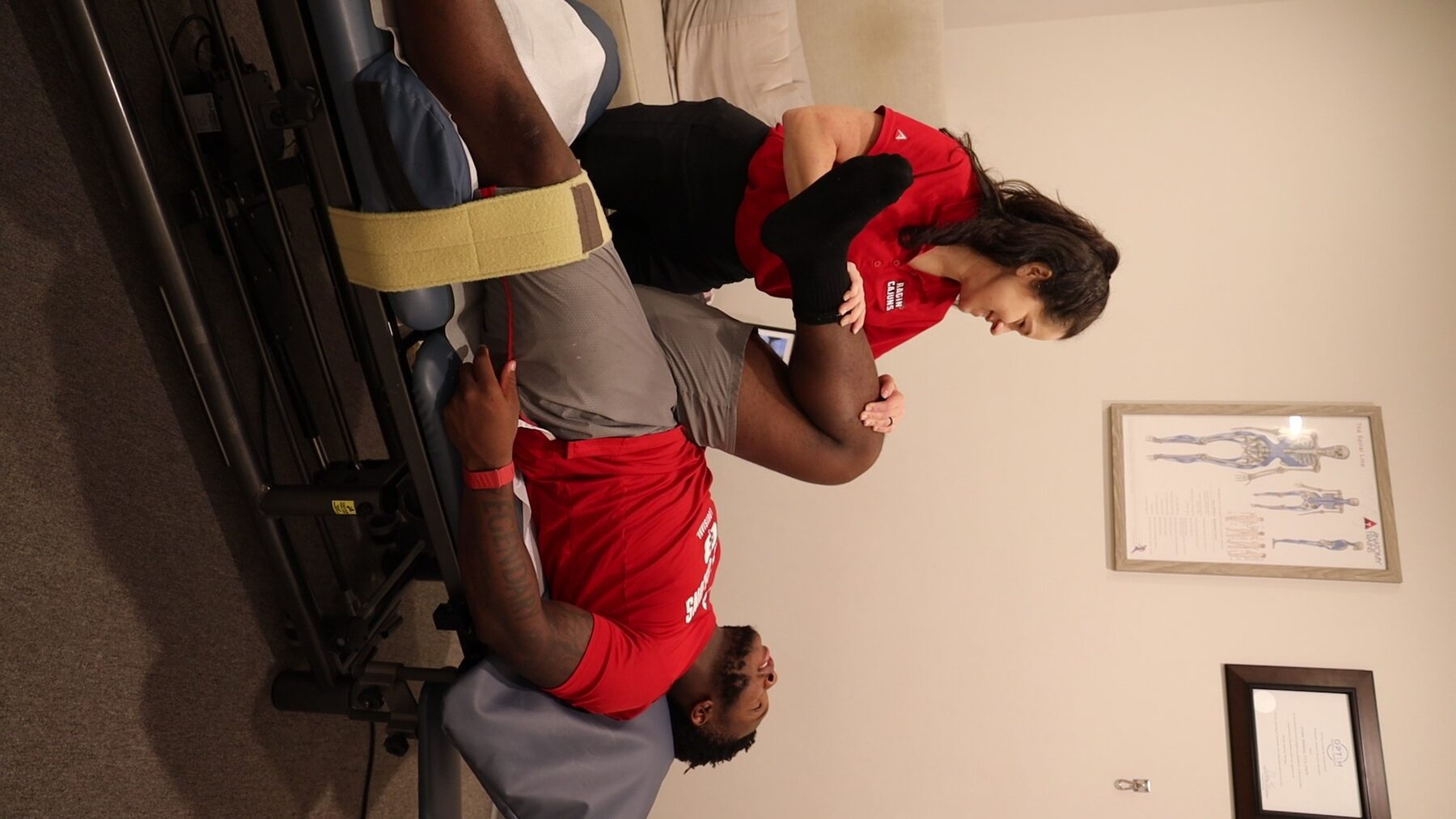
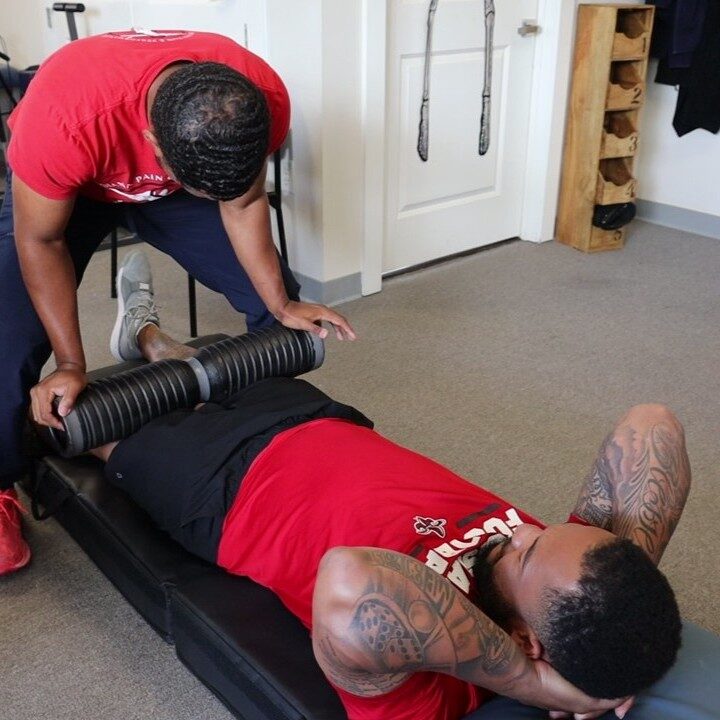
Who Is This Clinic For?
Our Running Analysis & Performance Clinic is designed for runners of all experience levels, including:
- New runners looking to build healthy running habits
- Recreational runners training for local races
- Half-marathon and marathon runners
- Competitive athletes
- Trail runners
- Runners returning after an injury
- Athletes preparing for endurance events
Whether your goal is to run pain-free, improve your pace, or prevent future injuries, we'll create a plan tailored to your needs.
What Happens During a Running Analysis?
Your evaluation goes far beyond simply watching you run.
Using slow-motion video analysis and a detailed physical examination, we evaluate how your body moves from head to toe.
Your assessment may include:
- Slow-motion video gait analysis
- Running mechanics assessment
- Foot and ankle mobility
- Hip and core strength evaluation
- Flexibility and mobility testing
- Balance and stability assessment
- Cadence and stride analysis
- Training history review
- Injury history assessment
We then explain our findings in clear, practical terms and provide recommendations you can immediately begin applying to your training.
Common Running Injuries We Help Treat
Running places repetitive stress on the body, but pain should never be considered a normal part of training.
We commonly help runners manage:
- Runner's knee (patellofemoral pain syndrome)
- Plantar fasciitis
- Achilles tendinopathy
- Shin splints
- IT band pain
- Hamstring strains
- Hip pain
- Stress-related overuse injuries
- Ankle pain
- Foot pain
- Low back pain related to running
- Running-related tendon injuries
Our goal is not simply to treat your current injury but to identify why it developed and reduce your risk of it returning.
Our Performance-Focused Approach
Every runner is unique. Rather than trying to force everyone into the same running style, we identify opportunities to improve efficiency based on your body, experience level, and goals.
Your individualized plan may include:
- Running form recommendations
- Strength and conditioning exercises
- Mobility and flexibility training
- Core and hip strengthening
- Running-specific rehabilitation
- Return-to-running progression after injury
- Training load guidance
- Injury prevention strategies
- Personalized home exercise program
Whether you're chasing a personal record or simply want to enjoy running without pain, our recommendations are designed to support long-term success.
Research & Evidence
Modern sports medicine recognizes that running injuries are influenced by multiple factors, including training volume, recovery, strength, and biomechanics.
- Research shows that most running injuries are overuse injuries, highlighting the importance of managing training load and recovery alongside rehabilitation.
- Studies support strengthening the hips, core, and lower extremities to improve running performance and reduce the risk of common running-related injuries.
- Video gait analysis can help identify movement patterns that contribute to injury and guide individualized rehabilitation, although changes in running form should always be based on a comprehensive clinical evaluation rather than a single observation.
- Current evidence suggests that successful injury prevention combines strength training, gradual training progression, adequate recovery, and appropriate running mechanics.
Frequently Asked Questions
Do I need to be an experienced runner?
Not at all. Our clinic is designed for runners of every experience level, from beginners training for their first race to competitive endurance athletes.
Can a running analysis help prevent injuries?
Yes. While no assessment can completely eliminate injury risk, identifying movement limitations, strength deficits, and training errors can help reduce your likelihood of developing many common running injuries.
Will you change the way I run?
Only if it's appropriate. Every runner has a unique running style, and not every movement pattern needs to be corrected. We make recommendations only when research and your evaluation suggest they are likely to improve performance or reduce injury risk.
How long does a running analysis take?
Your visit includes a comprehensive evaluation, video analysis, discussion of our findings, and personalized recommendations. The exact length depends on your individual needs and goals.
References
- American College of Sports Medicine. ACSM's Guidelines for Exercise Testing and Prescription.
- Bertelsen ML, Hulme A, Petersen J, et al. A Framework for the Etiology of Running-Related Injuries. Scandinavian Journal of Medicine & Science in Sports.
- van der Worp MP, et al. Injuries in Runners: A Systematic Review on Risk Factors and Sex Differences. PLoS One.
Run Stronger. Run Smarter.
Whether you're preparing for your next race, returning after an injury, or looking to improve your running efficiency, our Running Analysis & Performance Clinic can help you reach your goals with confidence.
Schedule your Running Analysis today and discover how personalized, evidence-based coaching can help you run farther, faster, and with less pain.
Schedule Your Running Analysis