
Nerve Pain
Nerve pain is different from regular pain — it burns, it shoots, it tingles at the worst moments. It can feel impossible to explain, and because it doesn't always show up on imaging, you may have been told everything "looks fine." It doesn't feel fine. And you deserve real answers.
Nerve pain can be one of the most frustrating and persistent types of pain because it often feels very different from muscle or joint pain. It may present as burning, tingling, numbness, electric shock-like sensations, or pain that radiates into the arms or legs. While these symptoms can be alarming, understanding what's causing the nerve irritation is the first step toward effective treatment.
At Acadiana Pain & Performance Rehab, we take a comprehensive approach to evaluating nerve pain. Our goal is not simply to reduce your symptoms, but to identify the underlying cause and develop a personalized treatment plan that helps restore function, improve movement, and reduce pain.
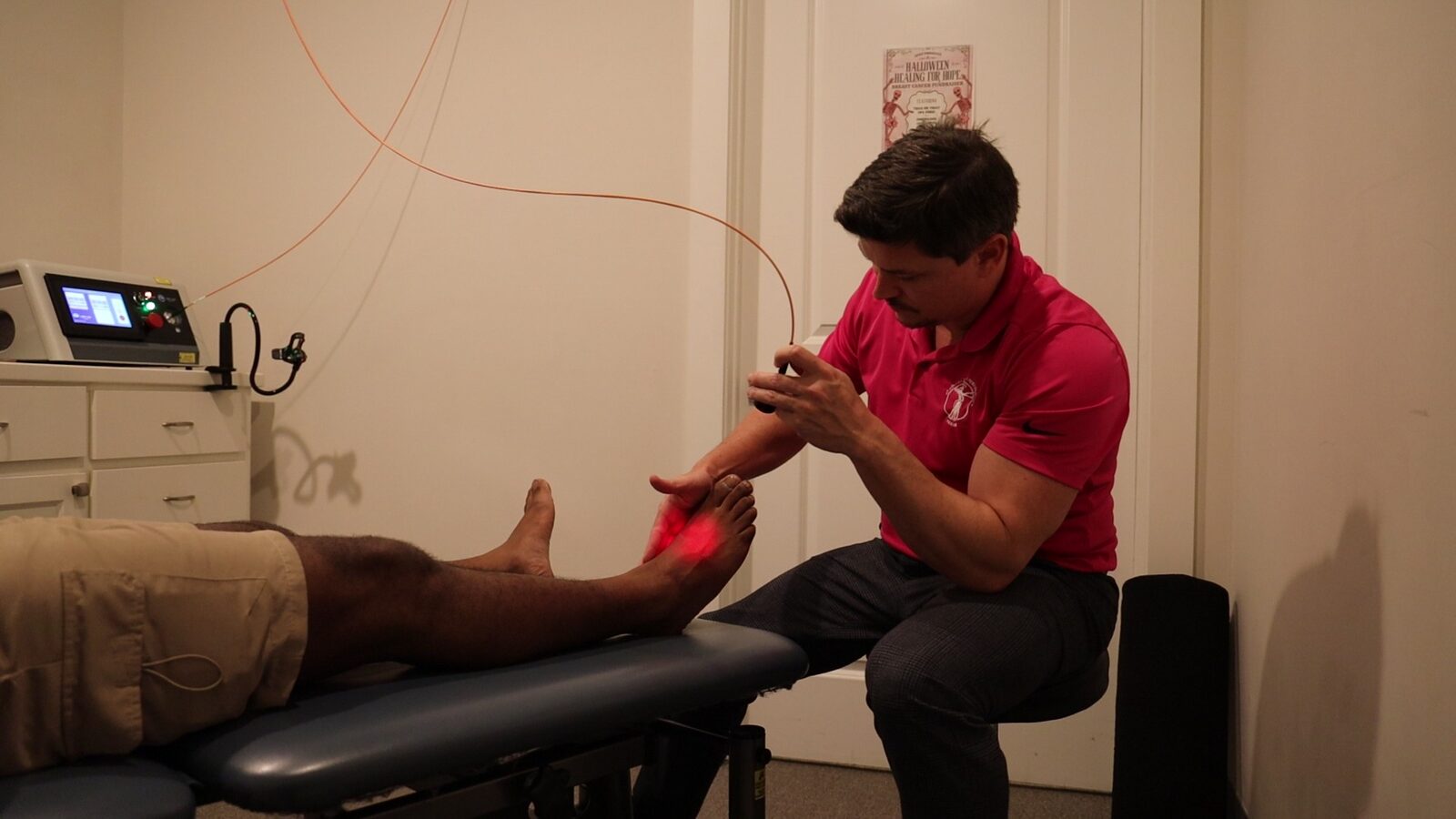
What Causes Nerve Pain?
Nerves act as communication pathways between your brain and the rest of your body. When a nerve becomes irritated, compressed, inflamed, or damaged, it can send pain signals even when there is no ongoing tissue injury.
Nerve pain may develop from a variety of conditions, including:
- Sciatica
- Cervical or lumbar radiculopathy (pinched nerves)
- Peripheral neuropathy, including diabetic neuropathy
- Nerve compression syndromes
- Herniated or bulging discs
- Arthritis or bone spurs that narrow spaces around nerves
- Shingles (postherpetic neuralgia)
- Cancer-related nerve pain
- Previous injuries or surgery
Not all nerve pain is caused by physical compression. In some cases, the nervous system itself becomes more sensitive, causing nerves to continue sending pain signals long after the original injury has healed. Modern pain science recognizes that changes within the nervous system can play an important role in persistent nerve pain, making a thorough evaluation essential for determining the most appropriate treatment.
Common Symptoms of Nerve Pain
Nerve pain can vary depending on the nerve involved and the underlying cause. Common symptoms include:
- Burning or electric shock-like pain
- Sharp, shooting, or radiating pain
- Numbness or reduced sensation
- Tingling or "pins and needles"
- Increased sensitivity to touch, heat, or cold
- Muscle weakness
- Changes in balance or coordination
- Pain that travels into the arm, hand, leg, or foot
If you experience sudden muscle weakness, loss of bowel or bladder control, or rapidly progressing numbness, seek immediate medical attention, as these symptoms may indicate a medical emergency.
How Physical Therapy Can Help
Successful treatment begins with understanding why the nerve is irritated.
Our evaluation looks beyond the nerve itself to identify factors that may be contributing to your symptoms, including joint mobility, muscle function, movement patterns, posture, and nervous system sensitivity.
Depending on your diagnosis, treatment may include:
- A comprehensive neurological and movement assessment
- Manual therapy to improve joint and soft tissue mobility
- Nerve mobilization ("nerve gliding") techniques when appropriate
- Therapeutic exercise to improve strength and flexibility
- Postural and ergonomic education
- Balance and coordination training
- Pain neuroscience education to help you better understand persistent pain
- A personalized home exercise program
Because every case of nerve pain is different, your treatment plan is individualized to your specific condition, symptoms, and goals.
Why Early Treatment Matters
Nerves have the ability to recover, but healing often takes time. The longer a nerve remains irritated or compressed, the more likely it is that symptoms can become persistent or begin affecting strength, sensation, and daily function.
Seeking an evaluation early allows us to identify the underlying problem, begin appropriate treatment, and help reduce the risk of long-term complications.
Research & Evidence
Research continues to improve our understanding of nerve pain and how it should be treated.
- The International Association for the Study of Pain (IASP) defines neuropathic pain as pain caused by a lesion or disease affecting the somatosensory nervous system, emphasizing the importance of identifying the underlying cause before treatment.
- Clinical practice guidelines recommend beginning with conservative management, including education, movement, and individualized rehabilitation, for many musculoskeletal conditions involving nerve irritation before considering invasive procedures.
- Studies have shown that nerve mobilization techniques, when combined with therapeutic exercise and manual therapy, can improve pain and function in appropriately selected patients with conditions such as cervical and lumbar radiculopathy.
- Modern pain science also recognizes that persistent nerve pain may involve increased sensitivity within the nervous system, highlighting the importance of treating the whole person rather than focusing only on the site of pain.
References
- International Association for the Study of Pain (IASP). Neuropathic Pain. https://www.iasp-pain.org
- Finnerup NB, Haroutounian S, Kamerman P, et al. Neuropathic pain: an updated grading system for research and clinical practice. Pain. 2016.
- National Institute for Health and Care Excellence (NICE). Neuropathic Pain in Adults: Pharmacological Management in Non-Specialist Settings.
Take the First Step Toward Relief
Living with nerve pain can make even simple daily activities difficult, but you don't have to manage it alone. Whether your symptoms are caused by a pinched nerve, sciatica, neuropathy, or another condition, our team will perform a thorough evaluation to determine the source of your symptoms and develop a personalized treatment plan to help you move with greater comfort and confidence.
Schedule an evaluation with Acadiana Pain & Performance Rehab and let us help you get back to doing the things you enjoy.
Find Relief from Your Nerve Pain