
Headaches
Headaches that come back day after day — or turn into full migraines — are more than an inconvenience. They interrupt your work, your family time, your ability to enjoy anything. If you've been managing them with medication and hoping they'll eventually stop, physical therapy may offer a different path.
Headaches are one of the most common neurological conditions, but not all headaches are the same. Different types of headaches have different causes, which means they also require different treatment approaches. Identifying the type of headache you're experiencing is one of the most important steps toward finding lasting relief.
At Acadiana Pain & Performance Rehab, we specialize in evaluating headaches that may be related to dysfunction of the muscles, joints, and nerves of the neck. Through a comprehensive assessment, we determine the factors contributing to your symptoms and develop an individualized treatment plan designed to reduce headache frequency, decrease pain, and improve your quality of life.
Understanding Different Types of Headaches
Many headaches share similar symptoms, making self-diagnosis difficult. Some headaches originate from the neck, while others involve changes within the nervous system, blood vessels, or other biological processes.
Common headache types include:
- Cervicogenic headaches
- Tension-type headaches
- Migraines
- Mixed headache presentations
Understanding which type of headache you have helps ensure you receive the most effective treatment.
Cervicogenic Headaches
A cervicogenic headache is a headache that originates from structures in the neck, including the joints, muscles, or nerves of the cervical spine. Because the nerves in the upper neck communicate with areas of the head, dysfunction in the neck can be perceived as headache pain.
Common symptoms include:
- Headache that worsens with neck movement
- Pain that typically begins on one side of the head
- Pain that may radiate behind the eye or toward the back of the head
- Neck stiffness and reduced range of motion
- Tightness or tenderness in the neck and shoulder muscles
Unlike migraines or sinus headaches, cervicogenic headaches often improve when the underlying neck dysfunction is treated. Research supports a combination of manual therapy and targeted exercise as an effective treatment for many people with this condition.
Tension-Type Headaches
Tension-type headaches are the most common form of headache and affect millions of people worldwide. They are often associated with increased sensitivity of the nervous system, muscle tension, stress, poor posture, or prolonged sitting.
Symptoms commonly include:
- A dull, aching or pressure-like sensation
- Tightness around both sides of the head
- Mild to moderate pain
- Neck and shoulder muscle tightness
- Pain that is not typically worsened by physical activity
- Occasionally increased sensitivity to light or sound
While muscle tightness is often present, current research suggests that tension headaches involve changes in how the nervous system processes pain. This is why successful treatment often combines manual therapy with education, exercise, posture correction, and strategies to improve movement rather than focusing on muscles alone.
Migraines
Migraines are a complex neurological condition and one of the leading causes of disability worldwide. They involve changes within the brain and nervous system that can be triggered by a variety of factors, including stress, hormonal changes, poor sleep, certain foods, environmental stimuli, or irritation of structures around the head and neck.
Common migraine symptoms include:
- Moderate to severe throbbing or pounding pain
- Pain on one or both sides of the head
- Nausea or vomiting
- Sensitivity to light, sound, or smells
- Visual disturbances or aura in some individuals
- Symptoms that may last from several hours to several days
Although physical therapy does not cure migraines, many people experience fewer headaches and reduced symptom intensity when contributing musculoskeletal triggers, particularly those involving the neck, are identified and treated.
How Physical Therapy Can Help
Treatment is always based on your specific diagnosis and the factors contributing to your headaches.
Depending on your condition, your care may include:
- Comprehensive examination of the neck and upper back
- Joint mobilization or spinal manipulation when appropriate
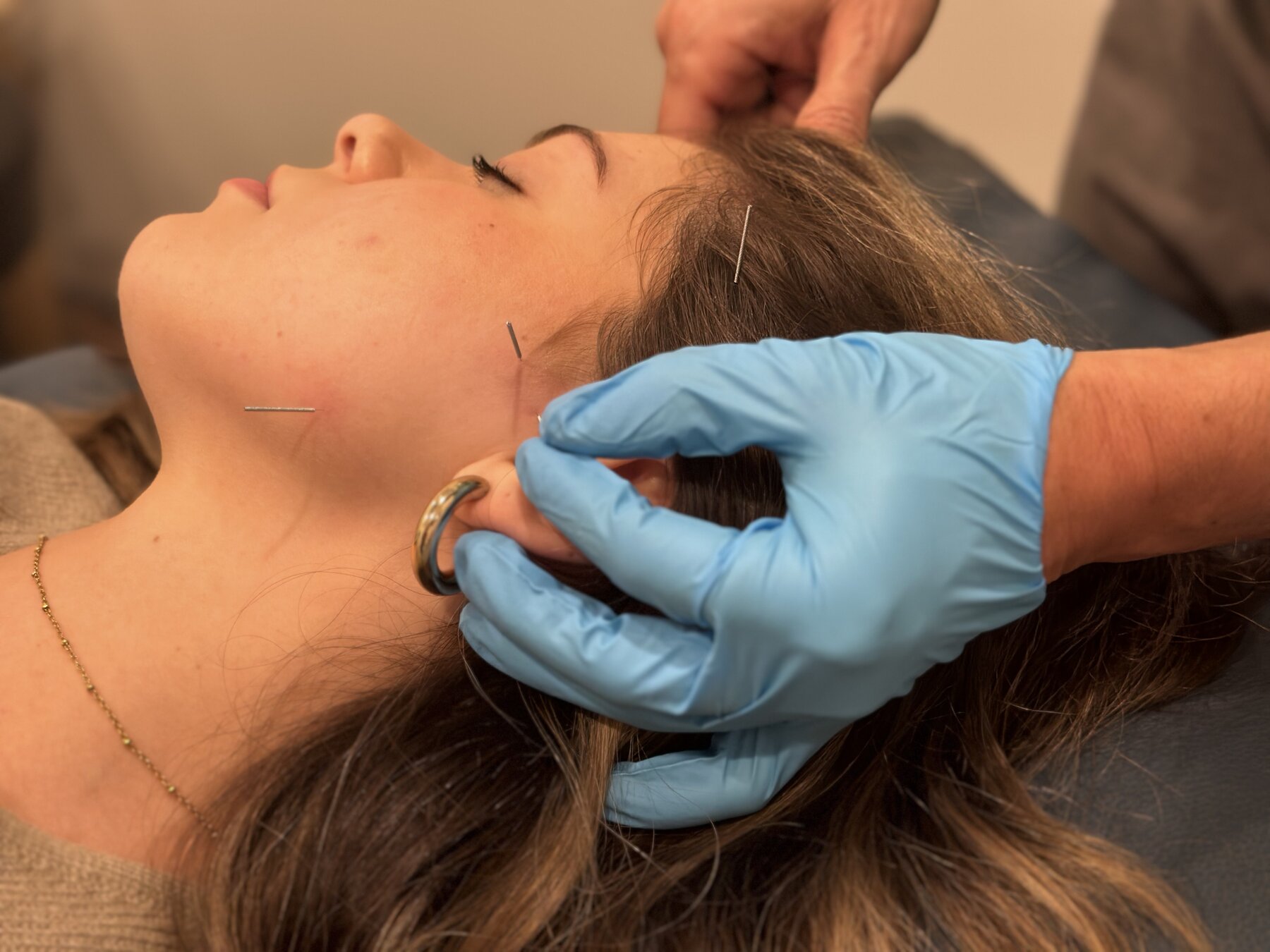
- Dry needling
- Soft tissue and deep tissue mobilization
- Therapeutic exercise
- Stretching and mobility training
- Muscle coordination and motor control exercises
- Postural retraining
- Education on headache triggers and self-management strategies
- Personalized home exercise program
Our goal is not simply to reduce today's headache, but to improve the underlying movement, muscle, and nervous system factors that may be contributing to recurring symptoms.
Research & Evidence
Modern headache research has significantly improved our understanding of how different headache disorders should be treated.
- The World Health Organization recognizes headache disorders, particularly migraines, as among the leading causes of disability worldwide.
- Clinical practice guidelines support manual therapy combined with therapeutic exercise for individuals with cervicogenic headaches and certain types of neck-related headaches.
- Research has shown that strengthening the deep neck muscles, improving posture and movement, and addressing cervical joint dysfunction can reduce headache frequency and improve quality of life in people with cervicogenic headaches.
- For tension-type headaches, evidence suggests that education, exercise, stress management, and improving neck function often provide better long-term outcomes than passive treatments alone.
References
- World Health Organization. Headache Disorders. https://www.who.int/news-room/fact-sheets/detail/headache-disorders
- International Headache Society. The International Classification of Headache Disorders (ICHD-3). Cephalalgia. 2018.
- Luedtke K, et al. The International Consensus on Physical Therapy for Cervicogenic Headache. 2024.
- American Physical Therapy Association. Clinical Practice Guideline: Neck Pain Revision 2017. Journal of Orthopaedic & Sports Physical Therapy.
Find Lasting Relief from Headaches
Recurring headaches don't have to become part of your daily life. Whether you're experiencing tension headaches, cervicogenic headaches, migraines, or you're unsure what's causing your symptoms, our team will perform a thorough evaluation to identify the factors contributing to your pain and develop a personalized treatment plan.
Schedule an evaluation with Acadiana Pain & Performance Rehab and take the first step toward fewer headaches and better quality of life.
Let's Get to the Root of Your Headaches